Designed
for History.
Rhode Island's first African American museum opened April 4, 2026. Every panel on the wall, every word on the window — designed here.
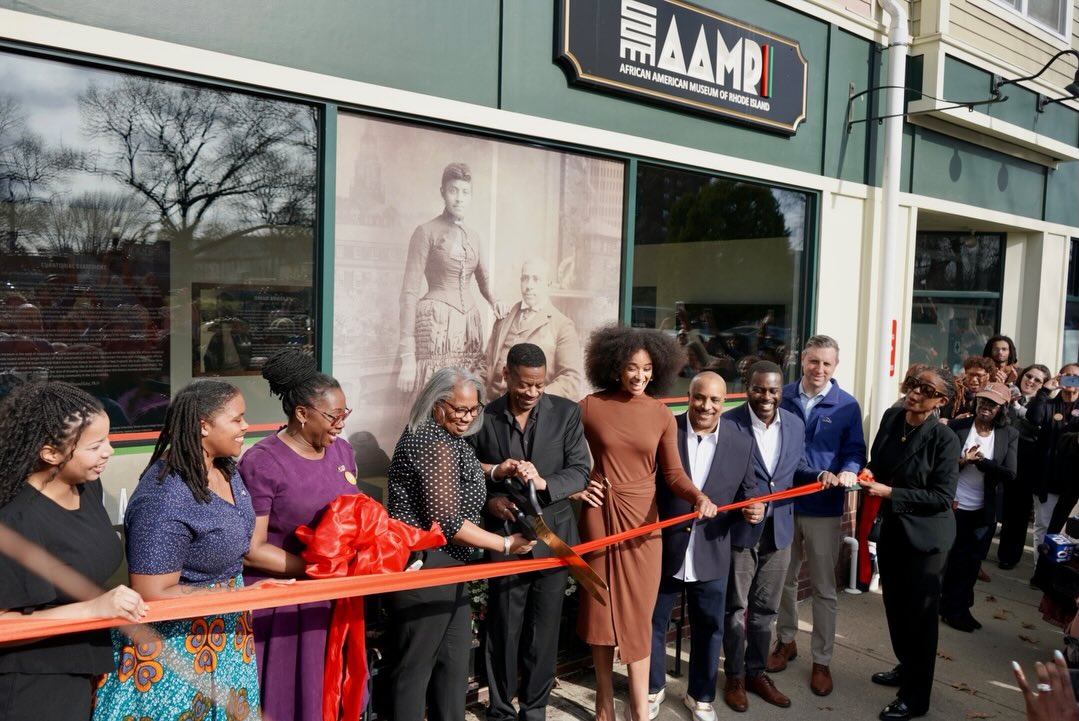
The African American Museum of Rhode Island didn't just need a space — it needed an identity on every wall. The brief was clear and the deadline was not negotiable: design a full exhibition system for a permanent museum opening in five weeks. Welcome panels, historical timelines, biographical tributes, window wraps visible from the street. All of it. Start to finish.
This is what was built.
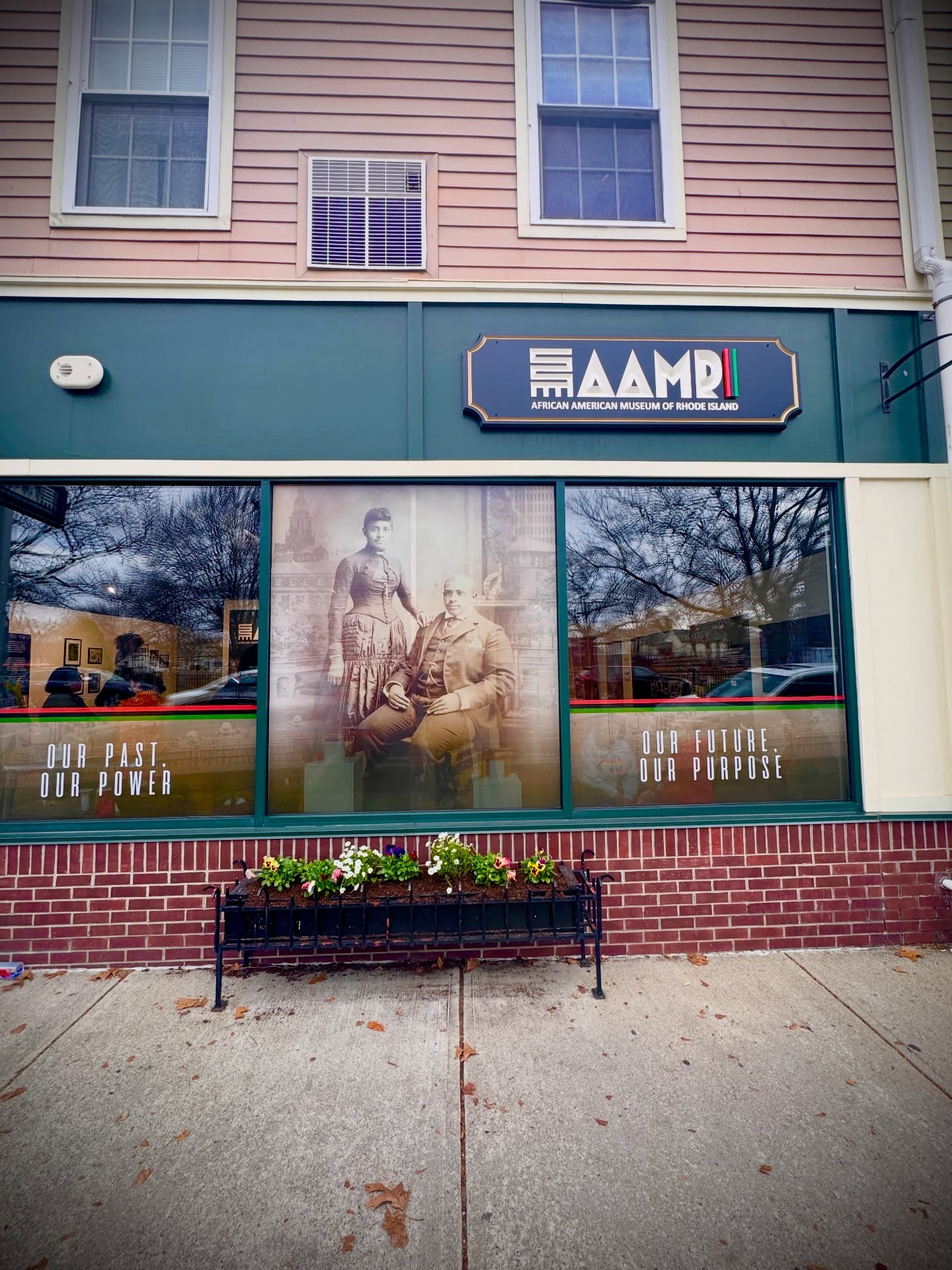
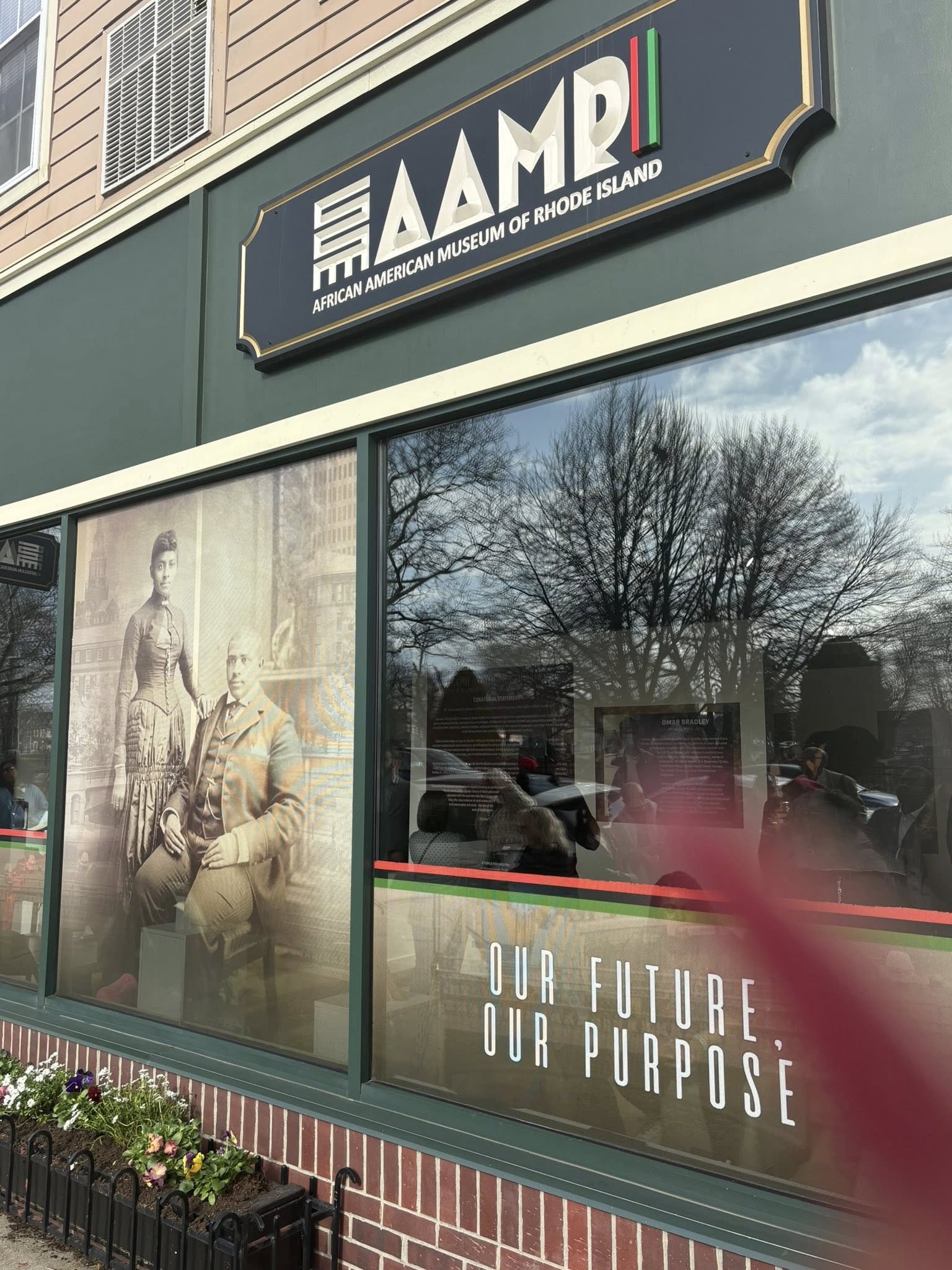
The windows were the first impression. "Our Past. Our Power." — "Our Future. Our Purpose." Bold typographic statements over a large-format archival portrait, designed to read from across the street. The museum hadn't opened yet and it was already making its case.
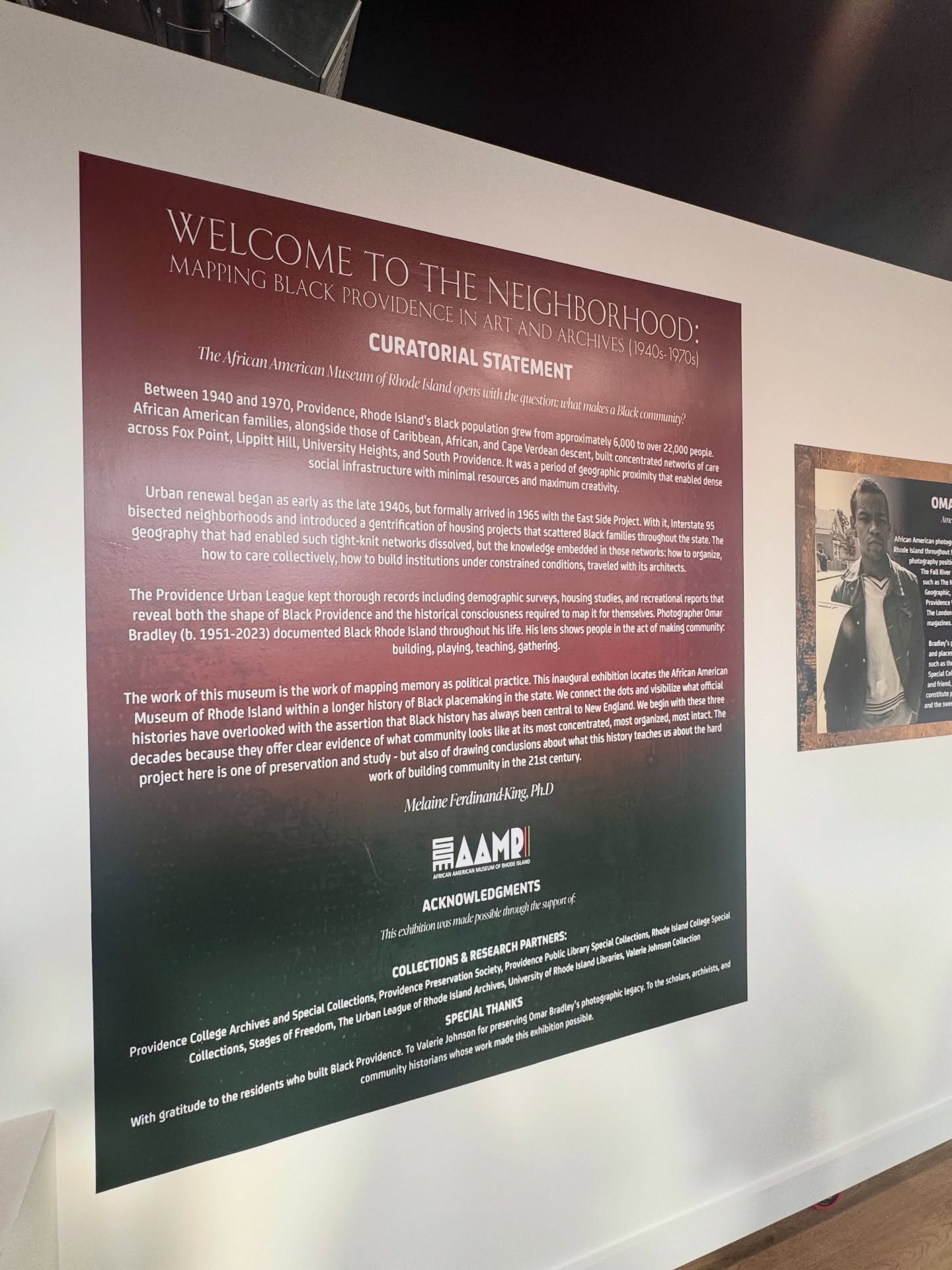
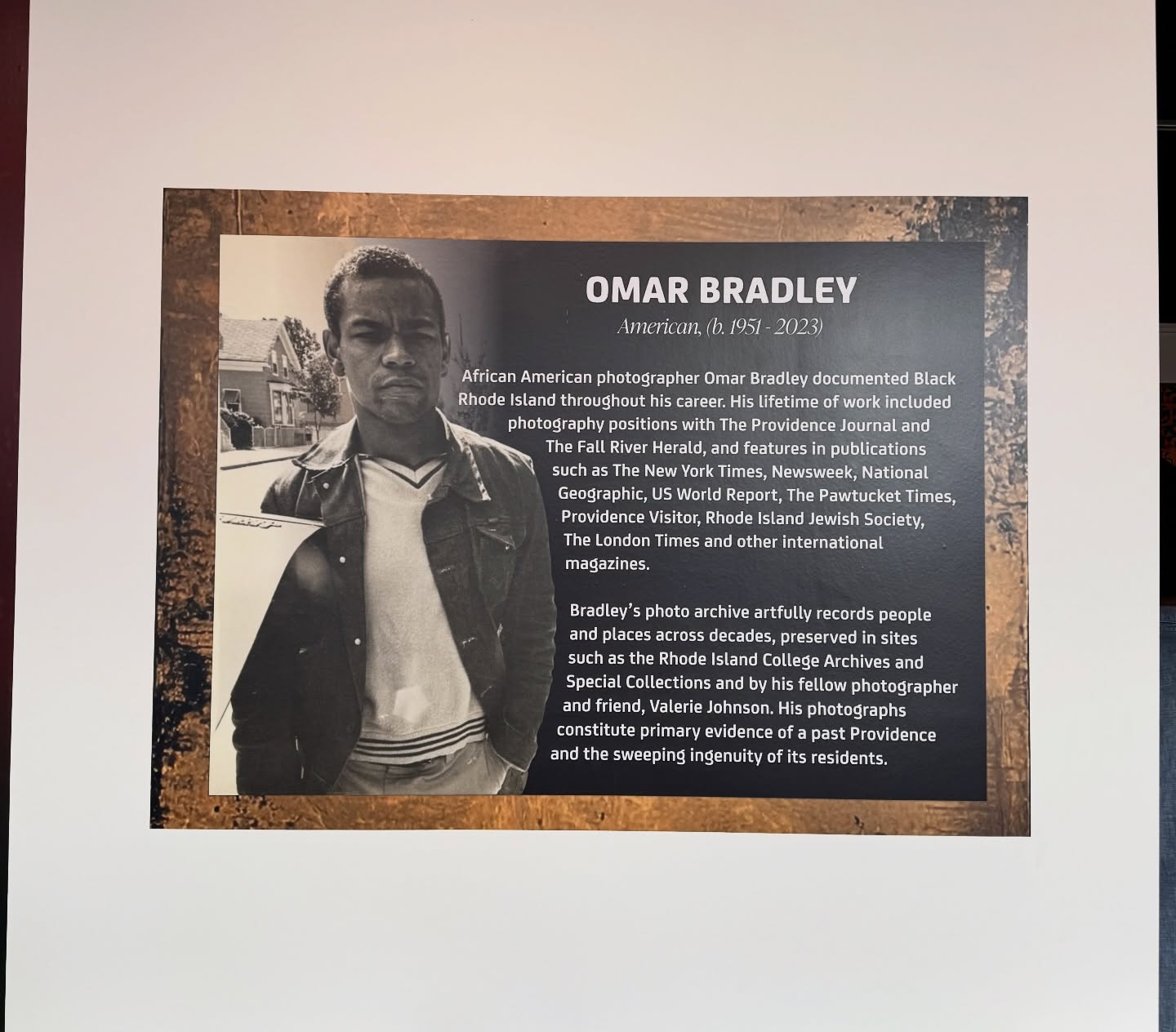
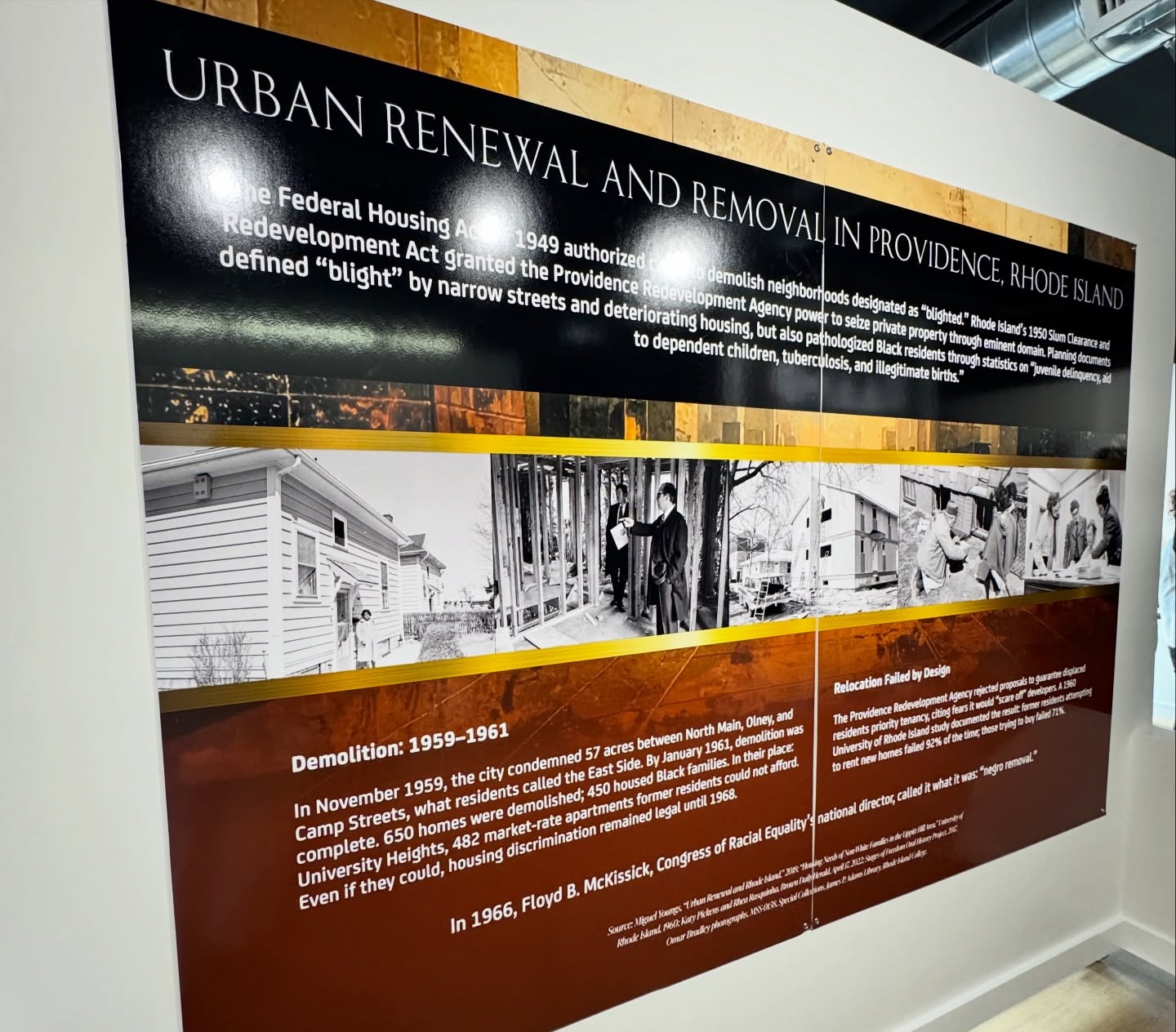
The exhibition content arrived in stages — copy evolving, archive photos changing, layout decisions shifting in the middle of an active design pass. Every panel had to be rebuilt, refined, and rebuilt again while keeping the visual language consistent across a 15-piece system.
Dark maroon, gold accents, aged texture overlays. The color language signals permanence — this isn't temporary signage. It's a chapter of history on a wall.
Every headline was designed to be read from across a room. Bold condensed type that commands attention even when surrounded by dense archival body copy.
Decades-old photographs needed to feel cohesive alongside contemporary type. Tonal treatment and precise cropping made each panel feel unified rather than assembled.
Every file had to be delivered print-ready for large-format output. These panels went directly to the fabricator and then the wall — no room for errors.
"A museum wall doesn't get a second chance."
— Terrence Sani, Sani Creative
The Omar Bradley panel wasn't just an informational placard. It was a tribute — the kind that earns its place on a wall. Portrait. Legacy. Type that held the weight of a life's work without getting in the way of it.
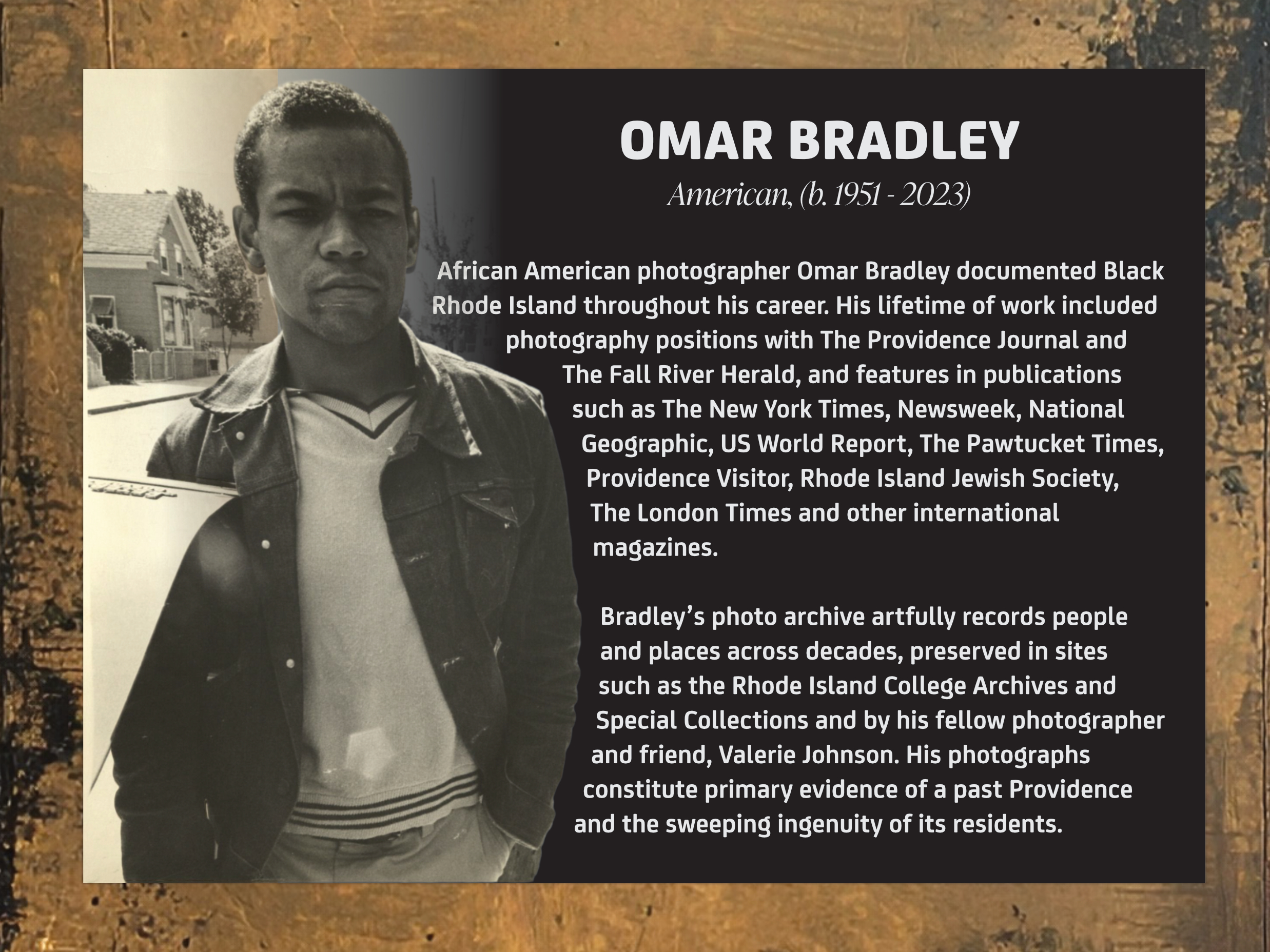
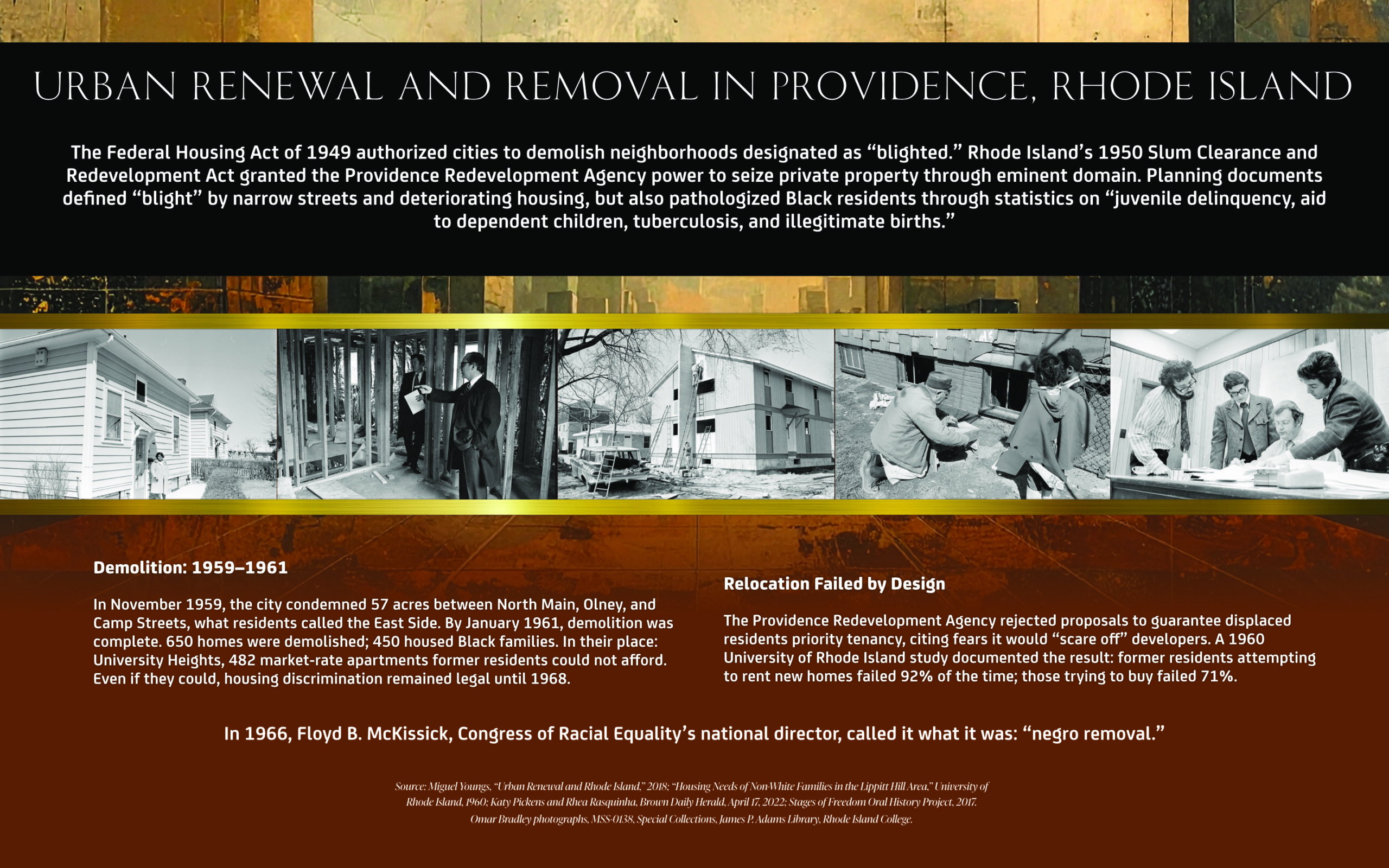
Each panel was built as its own complete story — typography, archival imagery, color, and hierarchy all working together. These are the final files, exactly as they went to print and onto the wall.
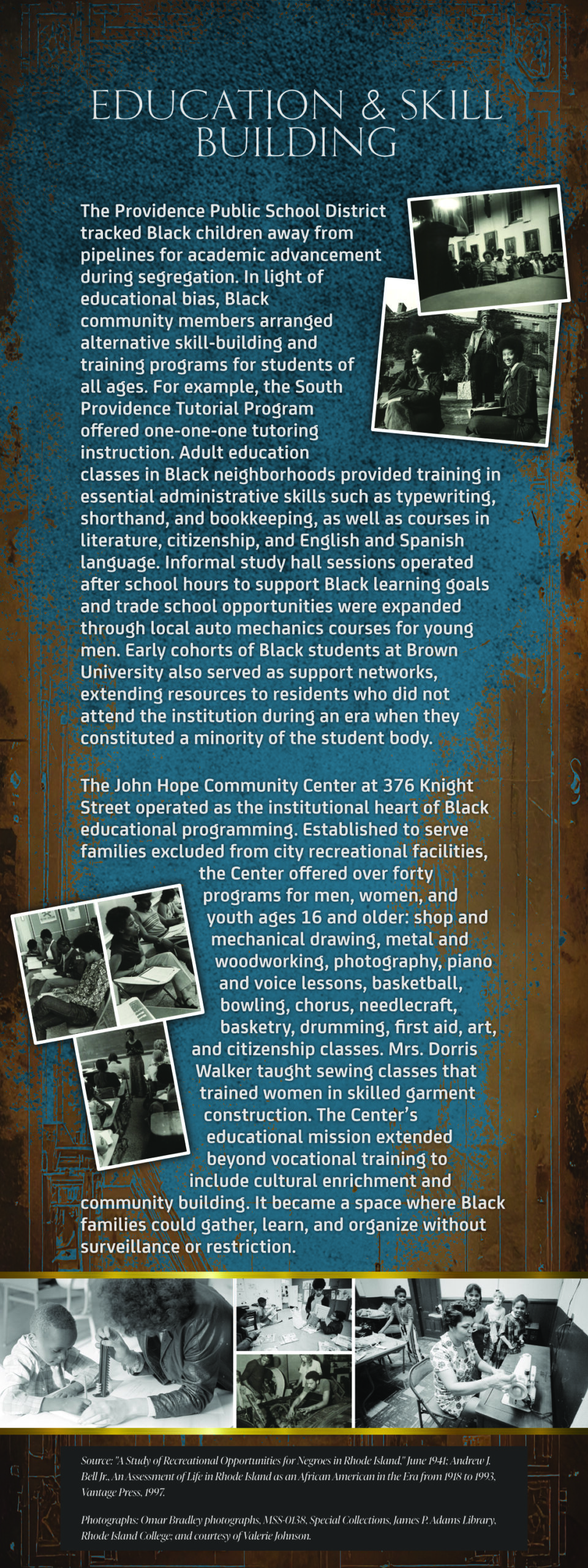
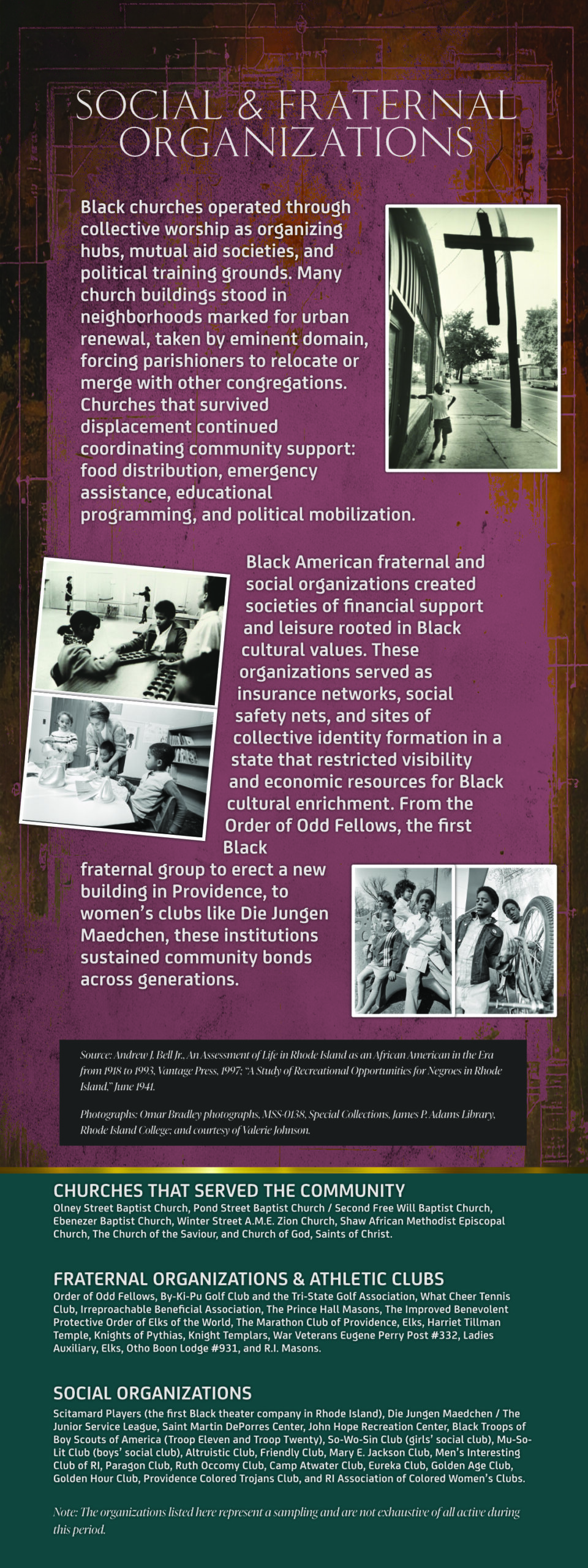
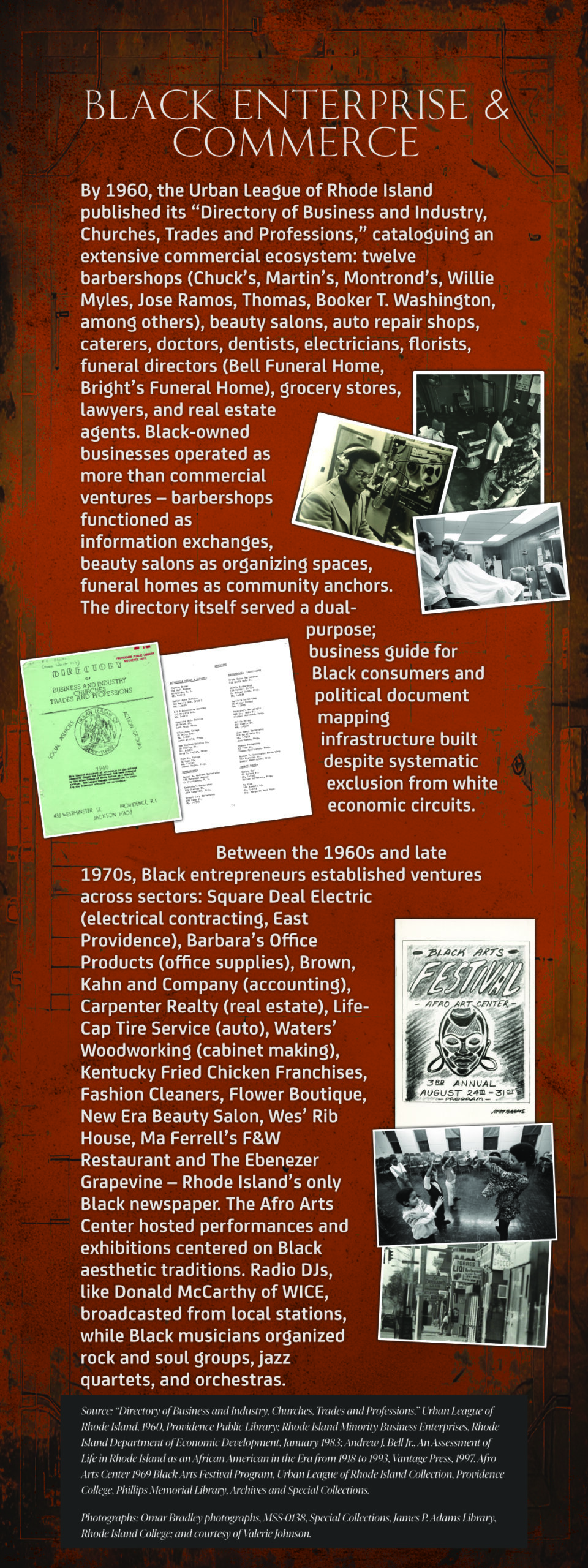
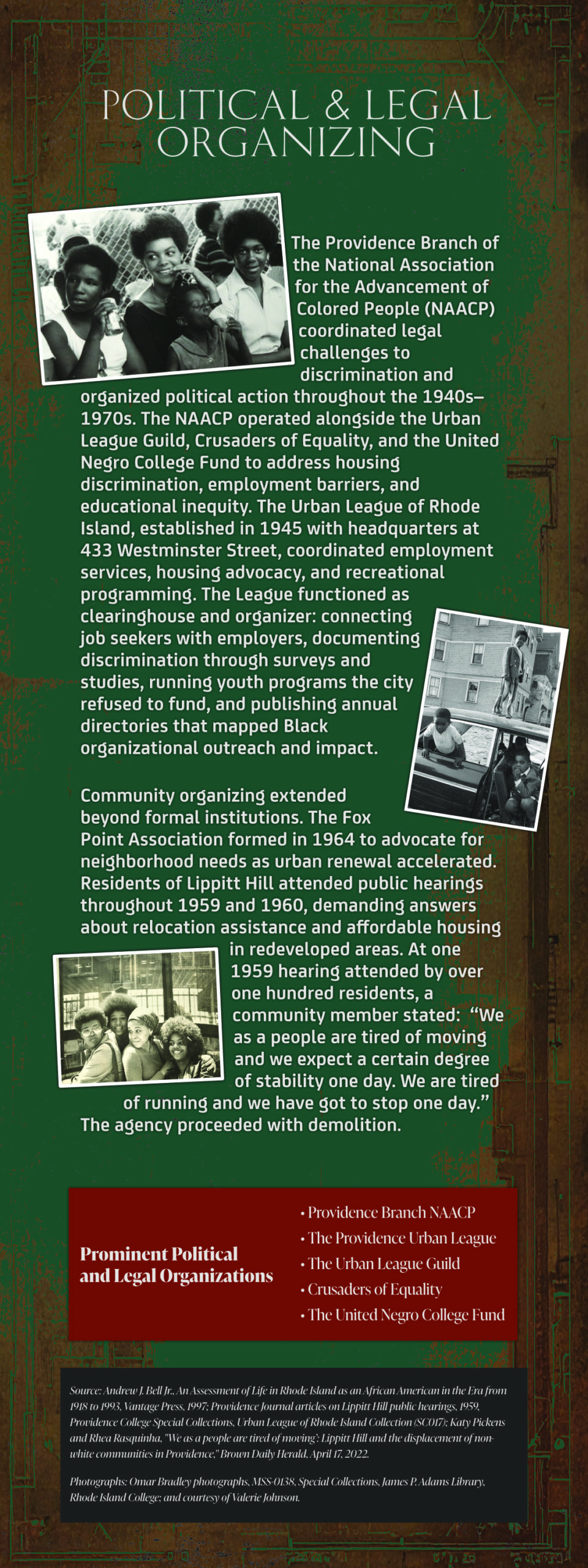
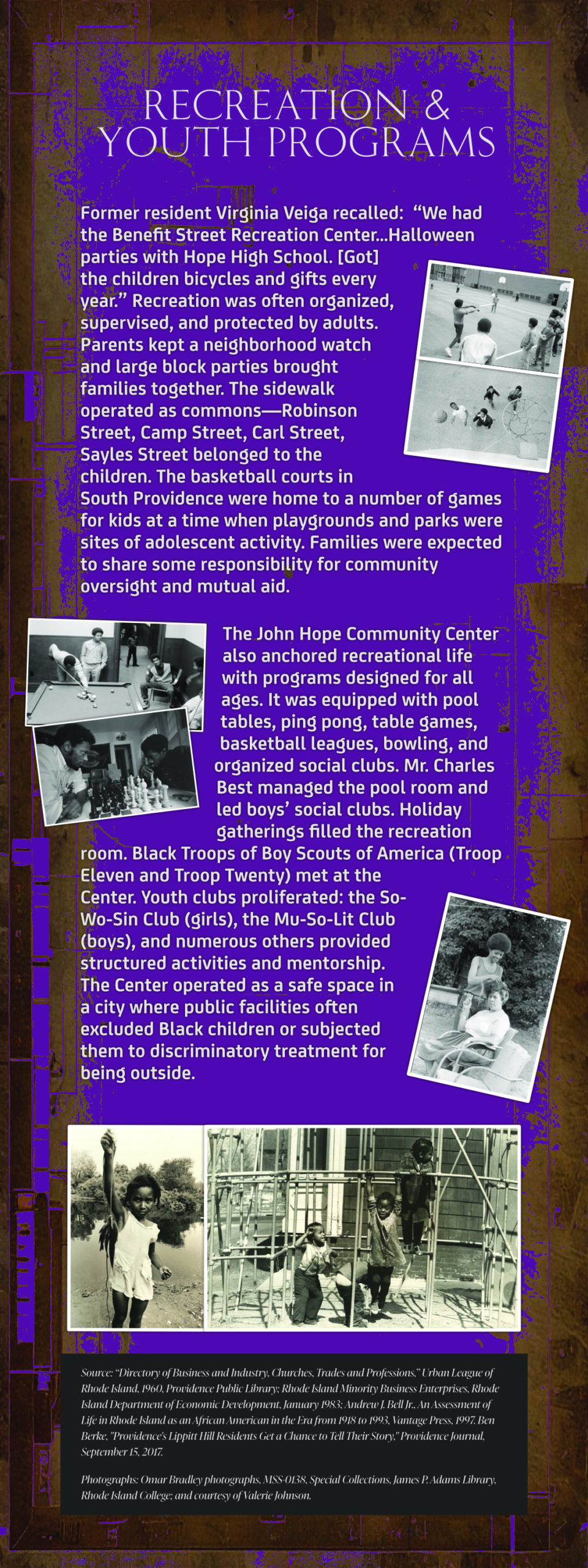
The floating wall lives in the center of the exhibition — both sides designed, both sides carrying content. Side B continues the historical narrative while functioning as a visual anchor in the space. Designed to draw visitors deeper into the room.
History Has
a Design. This Is It.
Every panel delivered print-ready before opening day. The museum opened on schedule with a complete, cohesive exhibition system — 15+ pieces, zero shortcuts.
WPRI CBS 12, Ocean State Media, and NBC 10 Providence all covered the opening — twice. The design was front and center in every story.
This isn't a pop-up. The work is on the walls of Rhode Island's first African American museum, seen by thousands of visitors for years to come.
Let's Build Something
That Lasts.
No templates. No shortcuts. Just work built to stand.
Start with a Vibe Check
Brand identities, packaging, and websites for businesses that give a damn how they show up.
